131, Vatika Tower-1, Sector-54, Gurgaon

About Us
Lorem ipsum dolor sit amet, consectetur elit, sed do eiusmod tempor incididunt ut labore et magna aliqua. Ut enim ad minim veniam laboris.
Lorem ipsum dolor sit amet, consectetur elit, sed do eiusmod tempor incididunt ut labore et magna aliqua. Ut enim ad minim veniam laboris.

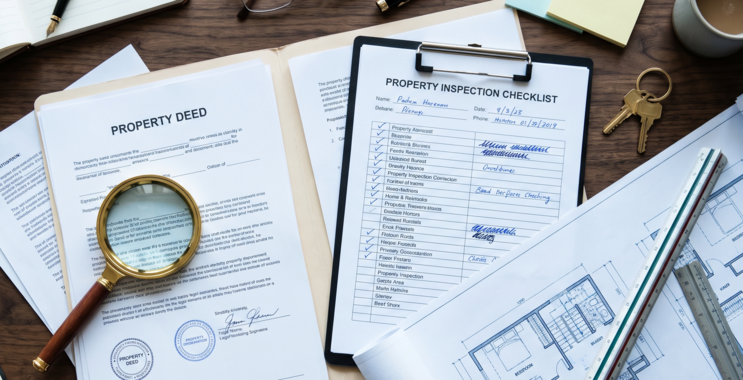
Buying a property is one of the most significant financial decisions you can make. Whether you are purchasing your first home, upgrading to a larger apartment or investing in real estate, careful planning can help you avoid costly mistakes. Beyond the property's appearance and price, it is essential to understand its legal status, location, construction quality and long-term ownership costs.
Before paying a booking amount or signing an agreement, take the time to verify the important details. This practical checklist will help you approach your property purchase with greater confidence.
Legal verification should be one of your first priorities. Confirm that the seller has the legal authority to sell the property and that the ownership records are consistent. For resale properties, review the title chain and relevant transfer documents. For new projects, check the developer's title or development rights and the approvals applicable to the project.
Title and Ownership: Verify ownership documents and check for disputes, claims or conflicting interests.
Encumbrances: Check for registered mortgages, liens or other restrictions that may affect the transaction.
Approvals and Permissions: Confirm that the relevant land-use, building and other statutory approvals are in place.
If you are purchasing a property in an applicable real estate project, check its registration with the relevant Real Estate Regulatory Authority (RERA). In Haryana, buyers can use the Haryana RERA portal to review registered projects and relevant disclosures.
Compare the advertised project details with the information available in official records. Review the approved plans, project status, declared completion timeline and other applicable disclosures. Registration alone does not replace a complete legal review, and the requirements can differ depending on the type of property and transaction.
The location can influence your everyday convenience, rental prospects and future resale options. A property with suitable connectivity and access to essential services may be more practical for long-term ownership.
Check access to major roads, public transport and employment centres.
Evaluate nearby schools, hospitals, markets and other essential facilities.
Visit the neighbourhood at different times to assess traffic, noise and accessibility.

Photographs, sample apartments and brochures can help you understand a project's design, but an on-site inspection provides a clearer picture of its condition. For a completed property, examine the visible construction quality and maintenance of common areas. Consider obtaining an independent professional inspection when appropriate.
Structural and Visible Defects: Look for cracks, dampness, leakage and signs of poor finishing.
Utilities and Safety: Check electrical fittings, plumbing, ventilation, lifts and fire-safety provisions as applicable.
Amenities and Maintenance: Confirm which facilities are included and understand their maintenance arrangements and charges.
The advertised property price is not always the final amount you will spend. Prepare a complete budget that includes transaction expenses, recurring charges and any additional costs specified in the sale agreement.
Registration and Stamp Duty: Account for applicable government charges and registration expenses.
Additional Payments: Check parking, club membership, utility connections, maintenance deposits and other applicable charges.
Loan and Interest Costs: Review your loan eligibility, interest rate, processing fees and repayment obligations.
Ongoing Expenses: Budget for maintenance, insurance, repairs and property-related taxes where applicable.
Read the agreement carefully before signing. Make sure the unit details, carpet area where applicable, total price, payment schedule, specifications and possession conditions are clearly stated. For an under-construction property, review the promised completion timeline and the contractual provisions relating to delays and remedies.
For a completed property, verify the applicable occupancy or completion certificates and confirm that outstanding dues and handover requirements have been addressed. Do not rely solely on verbal assurances; important commitments should be documented in writing.
If you are purchasing for investment, compare the property with similar options in the same locality. Research realistic rental values, vacancy risks, recurring costs and recent market transactions where reliable information is available. Consider how easily the property might appeal to future buyers or tenants.
Infrastructure development and neighbourhood improvements may influence demand, but future appreciation is never guaranteed. Base your decision on affordability, market evidence and your intended holding period rather than relying only on projected returns.

Before making your final decision, ensure you have reviewed the essential documents, verified applicable approvals, inspected the property, calculated the complete cost and understood every important contractual term.
Buying a property should be a carefully considered decision, not a rushed commitment. Seek independent legal advice before signing or transferring substantial funds, especially when ownership records, approvals or contractual terms require further clarification.
With the right preparation and due diligence, you can make a more informed choice that aligns with your housing needs, financial position and long-term plans.